Exclusive Editorial Collection · June 2026
The Art &
Business of
Yachting
Eight authoritative articles covering every dimension of the luxury yacht world — from billion-dollar market trends to the psychology of open-sea wellness.
Contents
Luxury Yacht Market Growth & Future Outlook
Industry · Market Analysis
Yacht Charter vs Ownership — What's Better?
Lifestyle · Finance
Yacht Brands, Social Media & Influencer Marketing
PR · Branding
Electric & Hybrid Yachts — The Future of Sustainable Sailing
Technology · Innovation
Celebrity Yacht Culture & Its Brand Impact
Culture · Celebrity
Crisis PR in the Luxury Marine Industry
PR Strategy · Crisis Management
Yachting & Mental Wellness — The Psychology of the Open Sea
Wellness · Lifestyle
Yacht Crew Life — Behind the Scenes
Human Interest · Storytelling
Industry · Market Analysis
Luxury Yacht Market:
Growth & Future Outlook
From pandemic-driven boom to a $17 billion global industry — the luxury yacht market is charting waters that few industries dare to sail.
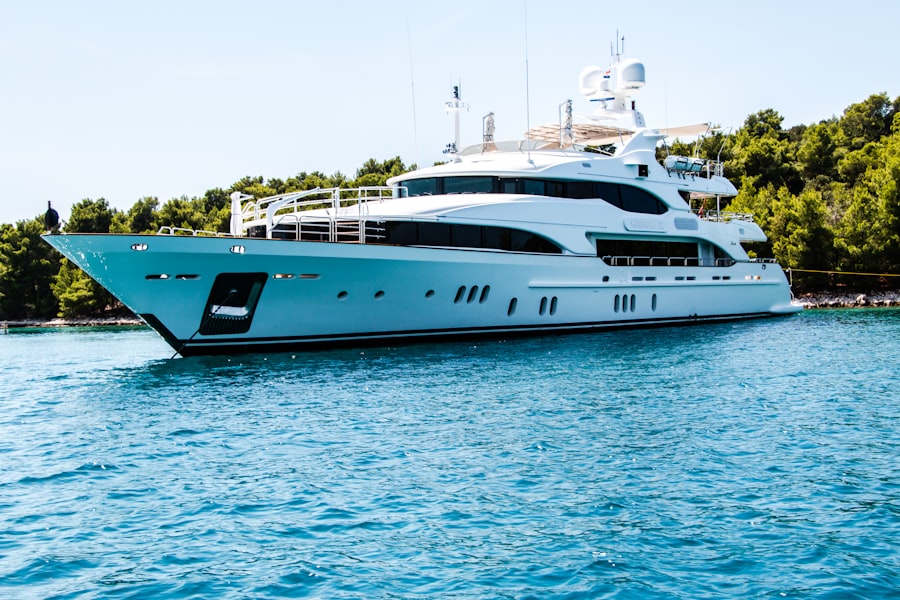
The luxury yacht market is no longer the exclusive preserve of old money and European aristocracy. Today, it is a dynamic, fast-evolving global industry that sits at the intersection of engineering excellence, lifestyle aspiration, and financial investment. With a market value of approximately $10.9 billion in 2024, the sector is on a confident trajectory toward $17 billion by 2032 — a compound annual growth rate of around 6.2%.
The Post-Pandemic Catalyst
The Covid-19 pandemic fundamentally altered the psychology of the ultra-wealthy. Lockdowns — paradoxically — unlocked an explosive desire for private, boundary-free travel. When commercial aviation was grounded and crowded resorts became unthinkable, private vessels emerged as the ultimate escape vehicle. Between 2020 and 2022, luxury yacht orders surged by approximately 40%, overwhelming shipyards and pushing delivery waitlists to three to five years for premium builds.
This boom introduced a new archetype of buyer: the "new money" ultra-high-net-worth individual — younger, tech-enriched, and acutely brand-conscious. These buyers do not merely want a vessel; they want a floating identity. Instagram-worthy decks, underwater observation lounges, helipad landing zones, and onboard spas are no longer optional extras — they are baseline expectations.
Where the Demand Is Coming From
Europe — Italy, France, and Greece in particular — remains the historic heartland of yacht culture, both in terms of construction and ownership. But the market geography is shifting dramatically. The Middle East, led by the UAE and Saudi Arabia, has emerged as a powerhouse. Dubai Marina is now one of the busiest luxury marine hubs on earth. Saudi Arabia's Vision 2030 tourism push and the NEOM mega-project are pouring billions into coastal infrastructure, effectively positioning the region as the next Monaco.
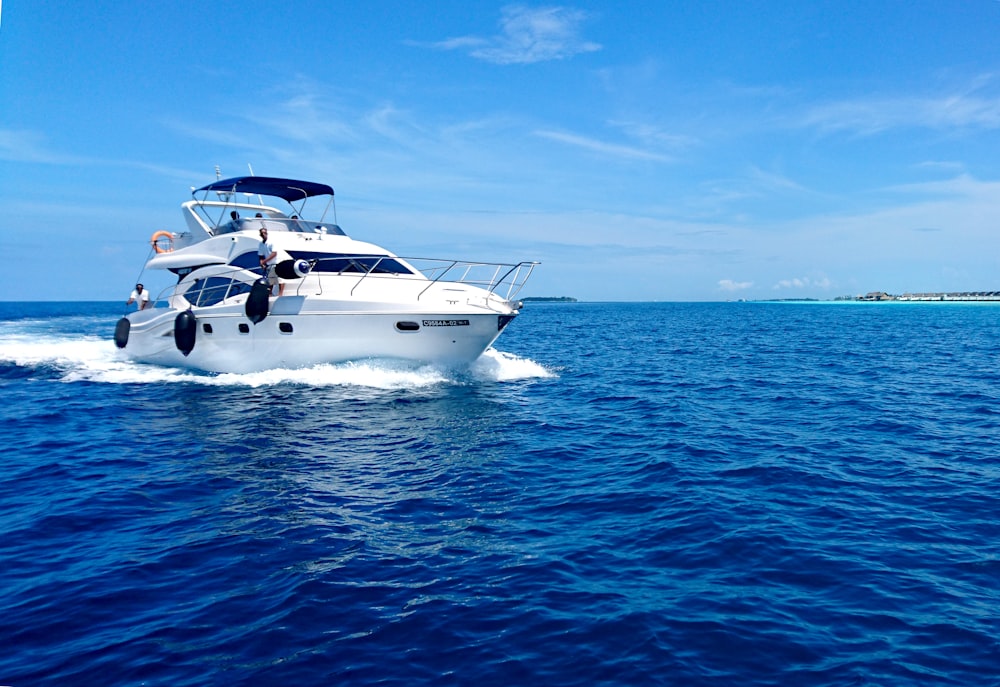
Asia Pacific — Singapore, Hong Kong, and coastal China — is also emerging with considerable momentum. Analysts project the region will hold 25% of the global yacht market by 2030, driven by a rapidly expanding class of ultra-wealthy individuals and some of the world's most stunning sailing waters.
Technology as the New Luxury
Beyond aesthetics, technology is redefining what a luxury yacht is. The growing appetite for hybrid and electric propulsion systems reflects a shift in ultra-luxury values — sustainability is now as prestigious as performance. AI-powered navigation, smart home automation, biometric security systems, and real-time satellite connectivity have moved from novelty to standard specification in the premium segment.
Key Market Predictions: 2026–2032
- Global UHNWI population projected to grow 15% by 2030 — directly fueling demand
- Superyacht segment (60m+) to see record order books — waitlists already forming
- Middle East and Asia Pacific to challenge European market dominance
- Sustainable yachts to command 20–30% price premiums
- AI-integrated smart vessels to become mainstream within five years
- Fractional ownership platforms to expand the addressable market significantly
The luxury yacht market, in essence, is one of the few industries that has emerged from global uncertainty not just intact, but invigorated. As long as aspiration, freedom, and extraordinary wealth coexist, the sea will remain one of the world's most compelling luxury frontiers.
Lifestyle · Finance
Yacht Charter vs
Ownership —
What's Better?
The oldest debate in luxury marine — is owning a yacht the ultimate dream, or is chartering the smarter, freer path to paradise?
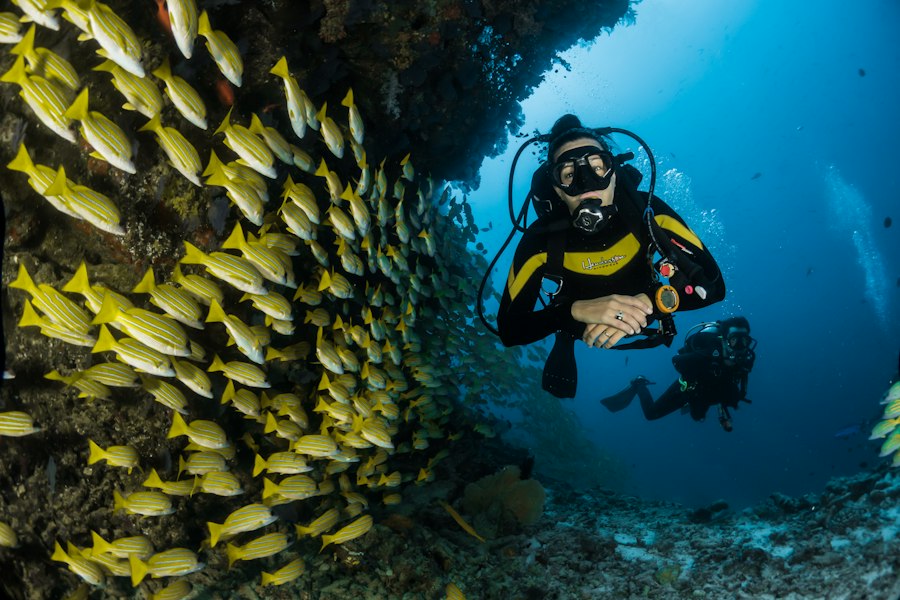
There is a saying in the yachting world: "The two happiest days of a boat owner's life are the day they buy it and the day they sell it." It is only half a joke. Yacht ownership is one of the most seductive — and most demanding — financial decisions a person of significant means can make. Charter, on the other hand, offers the full splendour of the yachting life without the paperwork, the crew management headaches, or the staggering maintenance bills. So which is actually better?
The Case for Ownership
For those who crave total control, deep personalisation, and the simple prestige of saying "my yacht," ownership is irreplaceable. You decide the itinerary, the interior design, the crew, and the onboard culture. A truly bespoke superyacht is a floating extension of your personality. Many owners also find genuine asset value — the top-tier superyacht market has historically held value well, and some vessels appreciate with the right pedigree and provenance.
Ownership also unlocks spontaneity. No booking windows, no availability calendars, no strangers sleeping in your master cabin last week. Your yacht is wherever you want it to be, ready when you are.
The True Cost of Ownership
Here is where it gets sobering. The purchase price of a yacht is only the beginning. Industry convention holds that annual running costs amount to 10–15% of the vessel's purchase price. A €20 million yacht, therefore, demands roughly €2–3 million per year just to maintain: crew salaries, fuel, insurance, berthing fees, maintenance, repairs, and the relentless process of keeping luxury at peak condition. The larger the vessel, the more punishing the arithmetic.
Charter: Freedom Without the Burden
Yacht chartering has undergone a quiet revolution. It is no longer a budget compromise — it is a sophisticated choice. The charter market now offers vessels at every tier of luxury, from sleek 30-metre performance sailboats to 90-metre megayachts with private submarines and rooftop terraces. A week in the Mediterranean can be arranged for anywhere between €50,000 and €500,000, fully crewed and provisioned.
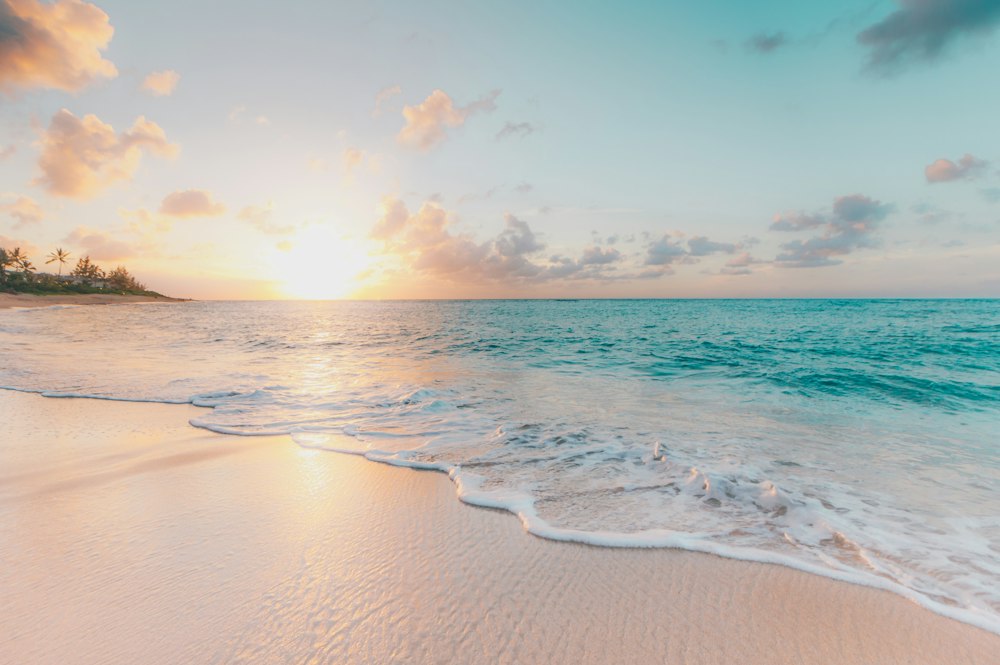
The charter model is also deeply flexible. You can experience a different yacht each season — a classic sailing ketch in Greece, a sleek motor yacht in the Caribbean, a cutting-edge catamaran in the Maldives. For those who value variety over attachment, charter wins decisively.
The Verdict
There is no universal answer. For those who will use a vessel more than 12 weeks per year, who crave ultimate personalisation, and who view it as part of their wider estate, ownership makes compelling sense. For everyone else — including many of the world's wealthiest individuals who have run the numbers — chartering delivers 90% of the experience for a fraction of the ongoing commitment. The smartest yachters, increasingly, do both.
PR · Branding
Yacht Brands,
Social Media &
Influencer Marketing
In an age where a single Instagram post can sell a $5 million vessel, luxury marine brands are rewriting the rules of elite marketing.
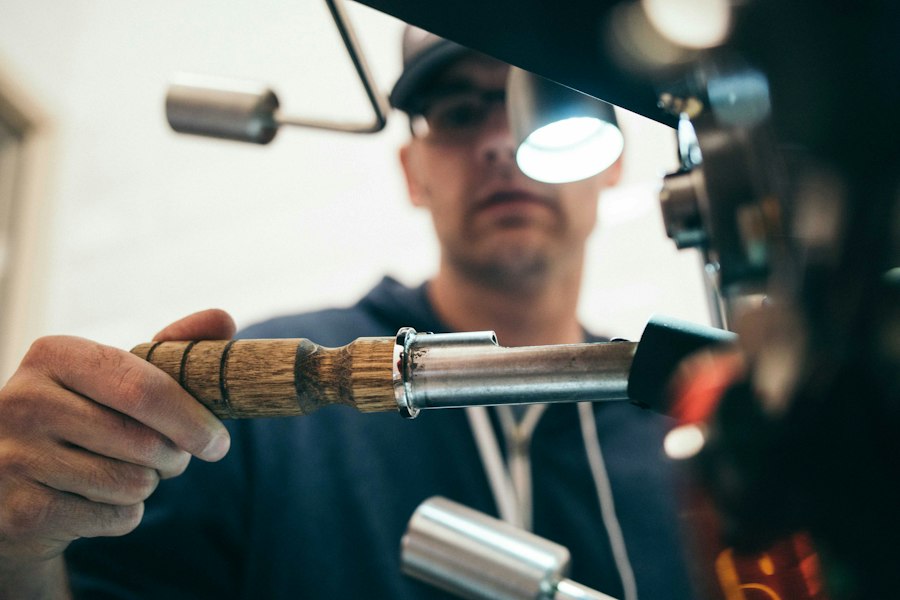
Luxury has always sold through aspiration. For centuries, the mechanism was exclusivity itself — you could not aspire to what you could not see. The internet, and social media in particular, dismantled that logic entirely. Today, a superyacht in the Amalfi Coast reaches 50 million screens within hours of a well-placed post. For yacht brands, this is both the greatest opportunity and the most complex challenge they have ever faced.
The Visual Currency of Yachting
Yachts are, by their nature, visually spectacular. Azure water, gleaming hulls, golden-hour light on polished teak — yacht content performs at the very top of engagement metrics across Instagram, YouTube, and TikTok. Brands like Sunseeker, Ferretti, and Benetti have invested heavily in cinematic content production, understanding that in the social era, a brand's visual identity is its most valuable asset.
The numbers are striking. Yacht-related content on Instagram generates some of the highest engagement rates in the luxury category — often 3–5x higher than comparable automotive or watch content. The aspirational gap between the average viewer and the product is, paradoxically, a driver of engagement rather than a barrier.
Influencer Strategy in the Marine Sector
The yacht industry has embraced influencer marketing, but with notable sophistication. Unlike fast fashion or consumer tech, which can deploy micro-influencers in the millions of followers range, yacht brands require credibility-adjacent influencers: luxury travel journalists, professional sailors turned lifestyle creators, celebrity chefs with seafaring followings, and high-net-worth lifestyle accounts with ultra-engaged, affluent audiences.
Influencer Tiers That Work for Yacht Brands
- Mega-influencers (10M+): Mass awareness — best for charter brands and entry-level luxury
- Macro-influencers (1M–10M): Lifestyle authority — ideal for mid-range superyacht launches
- Micro-influencers (50K–500K): Ultra-engaged niche audiences — most cost-effective for specific markets
- Celebrity partnerships: Highest impact for brand prestige — requires long-term relationship management
- Industry insiders: Brokers, designers, captains — trusted authority that converts high-net-worth buyers
Yacht Shows as PR Powerhouses
The Monaco Yacht Show and Dubai International Boat Show remain the industry's most critical annual PR moments. But savvy brands now treat these events not as sales exercises but as content production studios. Dedicated film crews, coordinated social media takeovers, live-streamed unveilings, and exclusive press access are orchestrated to generate weeks of digital content from a single four-day event.
The future of yacht brand marketing lies in the convergence of physical exclusivity and digital ubiquity — being simultaneously rare and everywhere. The brands that master this paradox will define the next decade of luxury marine commerce.
Technology · Innovation
Electric & Hybrid Yachts:
The Future of
Sustainable Sailing
The superyacht industry is confronting its environmental footprint — and the technologies emerging from that reckoning may transform luxury sailing forever.

The paradox at the heart of luxury yachting has never been more visible: some of the world's most beautiful vessels are also among its most significant polluters. A large superyacht can burn 500 litres of diesel per hour at full throttle, producing carbon emissions that dwarf the annual footprint of dozens of average households. As climate consciousness has become a marker of sophisticated values — even among the ultra-wealthy — the pressure on the yacht industry to clean up has become impossible to ignore.
The Hybrid Revolution
The first wave of the response has been hybrid propulsion. Just as the automotive sector deployed hybrid technology as a bridge between combustion and electric, yacht builders are increasingly offering diesel-electric hybrid systems that dramatically reduce emissions in harbour and at low speeds, where yachts spend the majority of their time. Brands including Ferretti Group, Princess Yachts, and Sunseeker have all launched hybrid lines, and the reception has been commercially significant.
Hybrid yachts offer the best of both worlds: near-silent operation in marinas and anchorages, zero local emissions when at rest, and the range security of conventional diesel for longer passages. For owners who split their time between harbour socialising and offshore cruising, the hybrid proposition is compelling.
Full Electric — The Horizon
Full-electric yachts face one fundamental challenge that no amount of engineering elegance has yet fully resolved: range. Battery energy density, while improving rapidly, still cannot match fossil fuels for long offshore passages. A 30-metre electric yacht today can typically achieve 80–120 nautical miles on a single charge — impressive for day sailing, but limiting for serious blue-water cruising.
However, for charter yachts operating in defined coastal routes — the Adriatic, the Aegean, the Whitsundays — range limitations matter far less. This is where full-electric yachting is gaining its most rapid commercial traction. Charging infrastructure at marinas is expanding rapidly across Europe and the Middle East, further accelerating adoption.
Hydrogen and Beyond
Looking further ahead, hydrogen fuel cells represent perhaps the most transformative technology on the horizon. Several experimental superyachts have demonstrated hydrogen propulsion systems that produce only water as a byproduct. The energy density problem is largely solved — the challenge remains in bunkering infrastructure and production cost. But with the pace of investment flowing into hydrogen technology globally, the consensus among marine engineers is that hydrogen-powered superyachts will be commercially viable within a decade.
Sustainable yachting is not a compromise. Increasingly, it is a competitive advantage — for manufacturers, for charter operators, and for the owners whose environmental legacy matters as much as their financial one.
Culture · Celebrity
Celebrity Yacht Culture
& Its Brand Impact
When a Hollywood star posts from a superyacht deck, millions dream of the same horizon. How celebrity yachting shapes markets, desires, and destinations.
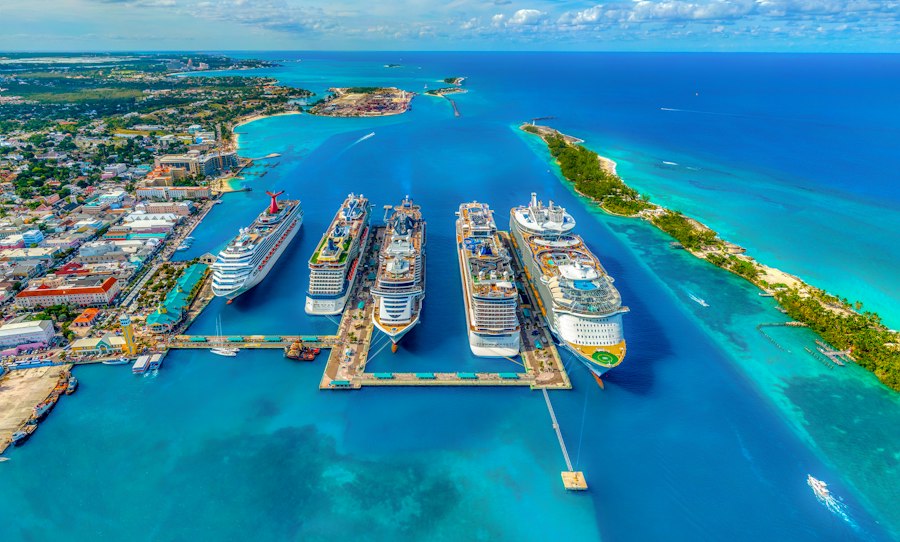
Few things in modern culture announce wealth, freedom, and glamour as efficiently as a celebrity on a superyacht. From the Côte d'Azur to the Greek islands, the sight of a famous face leaning over a gleaming rail has become one of the defining visual languages of aspirational living. And where celebrity goes, commerce follows — reliably, measurably, and at extraordinary scale.
The Power of the Paparazzi Shot
For decades, the yacht industry's most effective marketing was entirely unintentional — paparazzi photographs of celebrities on privately chartered vessels. When a global superstar is photographed on a Benetti or an Azimut, that image travels to every entertainment publication, fashion blog, and lifestyle platform on earth. The brand recognition generated is worth millions in earned media, delivered organically and with the implicit endorsement of fame itself.
The industry has become considerably more sophisticated in harnessing this dynamic. Today, charter brokers and yacht manufacturers maintain discreet relationships with celebrity PR teams and talent agencies, offering favourable charter terms or complimentary vessel access in exchange for social media exposure. It is a mutually beneficial arrangement that neither side discusses openly — and that works extraordinarily well.
Celebrities Who Have Moved Markets
The impact of celebrity endorsement on yacht destinations is well documented. When high-profile figures began summering on the Montenegrin coast, charter inquiries for the Adriatic region increased by over 35% in the following season. Similarly, celebrity activity in previously overlooked destinations — coastal Albania, the Turkish Turquoise Coast, the outer islands of Greece — has repeatedly catalysed tourism infrastructure investment and dramatically increased charter demand.
The Authenticity Challenge
As the industry has professionalised its celebrity relationships, a new challenge has emerged: authenticity. Today's luxury consumer is extraordinarily adept at detecting transactional endorsement. A celebrity who appears to genuinely love a particular vessel or destination carries influence orders of magnitude greater than a clearly paid placement. The most effective yacht brands are those building genuine long-term relationships with celebrity advocates — not simply buying moments of exposure.
Celebrity yacht culture is not merely entertainment. It is one of the most powerful demand-creation engines in the luxury sector — shaping destination choices, design trends, and the collective imagination of what the best life looks like.
PR Strategy · Crisis Management
Crisis PR in the
Luxury Marine
Industry
When things go wrong at sea — or onshore — luxury yacht brands face reputational crises with unique and unforgiving dynamics.

The luxury yacht industry operates in a world where image is everything and scrutiny is intense. A vessel grounding off a protected coastline, a high-profile charter incident, a crew member's social media indiscretion, or the seizure of a famous owner's yacht by international authorities — any of these can transform weeks of carefully constructed brand value into a reputational crisis within hours. In an age of real-time information, the luxury marine industry's approach to crisis PR has become a study in strategic reputation management.
The Unique Dynamics of Marine Crisis
Yacht-related crises carry several characteristics that make them particularly challenging from a PR perspective. First, they are frequently visually dramatic — a listing superyacht, a rescue operation, a vessel impounded at dock, or a coastline stained by a fuel spill generates images that are inherently arresting and shareable. Second, they often involve multiple stakeholders simultaneously: owners, insurers, flag states, port authorities, environmental agencies, and crew unions. Third, the ultra-high-net-worth ownership class brings its own media scrutiny, as anything involving significant personal wealth attracts disproportionate public interest.
Core Principles of Luxury Marine Crisis PR
- Acknowledge immediately — silence reads as guilt in the social media age
- Control the narrative with facts before speculation fills the vacuum
- Separate the brand from the incident where structurally possible
- Communicate directly with key stakeholders before they hear from the press
- Appoint a single credible spokesperson — never allow contradictory statements
- Demonstrate concrete remedial action, not just words
- Engage environmental and community stakeholders proactively, not reactively
The Oligarch Seizure Problem
The 2022 sanctions against Russian oligarchs created an entirely new category of yacht crisis PR — the politically-triggered asset seizure. Vessels worth hundreds of millions of dollars were impounded in ports across Europe and the United States, generating wall-to-wall press coverage that associated the luxury yacht sector broadly with political controversy. Brands, shipyards, and marinas that had existing commercial relationships with affected owners faced difficult choices about how publicly to distance themselves.
Building Resilience Before the Storm
The best crisis PR is that which is prepared before any crisis exists. Leading yacht brands invest in crisis simulation exercises, media training for senior executives, pre-approved holding statements for scenario categories, and robust relationships with specialist marine PR agencies who understand both the technical and reputational dimensions of the sector. Environmental compliance and robust crew welfare policies have also moved from operational considerations to brand-critical assets — they are the first documents scrutinised when something goes wrong.
In luxury markets, the recovery from a reputational crisis is possible — but it is slow, expensive, and never complete. Prevention remains, by a considerable distance, the superior strategy.
Wellness · Lifestyle
Yachting & Mental Wellness:
The Psychology of
the Open Sea
Beyond luxury, beyond status — science is beginning to understand why time on water does something remarkable to the human mind.
When people describe returning from a sailing holiday as feeling "reset," "clarified," or "more like themselves," they are articulating something that neuroscience and environmental psychology are now beginning to measure with rigour. The ocean is not merely a beautiful backdrop for luxury — it is, accumulating evidence suggests, a profoundly effective environment for psychological restoration, cognitive recovery, and emotional recalibration.
Blue Mind Theory
Marine biologist Wallace J. Nichols coined the concept of "Blue Mind" to describe the mildly meditative state that humans naturally enter when near, in, or on water. His research — and the broader field of environmental psychology it has catalysed — indicates that proximity to water consistently reduces cortisol levels, lowers blood pressure, induces relaxed alpha brain wave activity, and enhances feelings of calm, clarity, and connectedness.
For high-performance individuals — CEOs, entrepreneurs, elite athletes — whose professional lives are dominated by cognitive overload and chronic low-grade stress, the therapeutic dimension of yachting has become a genuine selling point. The yacht is not just a toy; it is a neurological sanctuary.
Digital Disconnection as Luxury
In an era of perpetual connectivity, the ability to genuinely disconnect has become one of the rarest and most valuable experiences available. A sailing yacht offshore — especially one that its owner has deliberately chosen to keep without satellite WiFi — represents total liberation from the digital world. This deliberate inaccessibility has become a status symbol in itself: a signal that one is important enough not to be constantly available.
Charter companies and yacht wellness operators are increasingly packaging this insight as a formal offering — curated "digital detox" sailing experiences that combine the physical demands of seamanship, the meditative quality of ocean passage, and structured mindfulness programming. These packages command significant premiums and attract a clientele that is explicitly paying for recovery, not just recreation.
The Physical Dimension
Beyond the psychological, yachting offers a compelling physical wellness proposition. Sailing actively engages core strength, balance, coordination, and spatial awareness in ways that gym training rarely replicates. The combination of fresh air, natural light, physical activity, and sleep regulation from ocean rhythms produces measurable improvements in sleep quality, immune function, and overall vitality that clients report with striking consistency.
The luxury yacht industry is only beginning to articulate this wellness dimension in its marketing — but those that do so authentically, backed by genuine programming rather than mere language, are finding a deeply receptive audience among a generation of ultra-high-net-worth individuals who prioritise longevity and performance alongside pleasure.
Human Interest · Storytelling
Yacht Crew Life:
Behind the Scenes
of Floating Luxury
The polished world of superyacht hospitality runs on the dedication, skill, and quiet sacrifices of the men and women who make the dream possible.
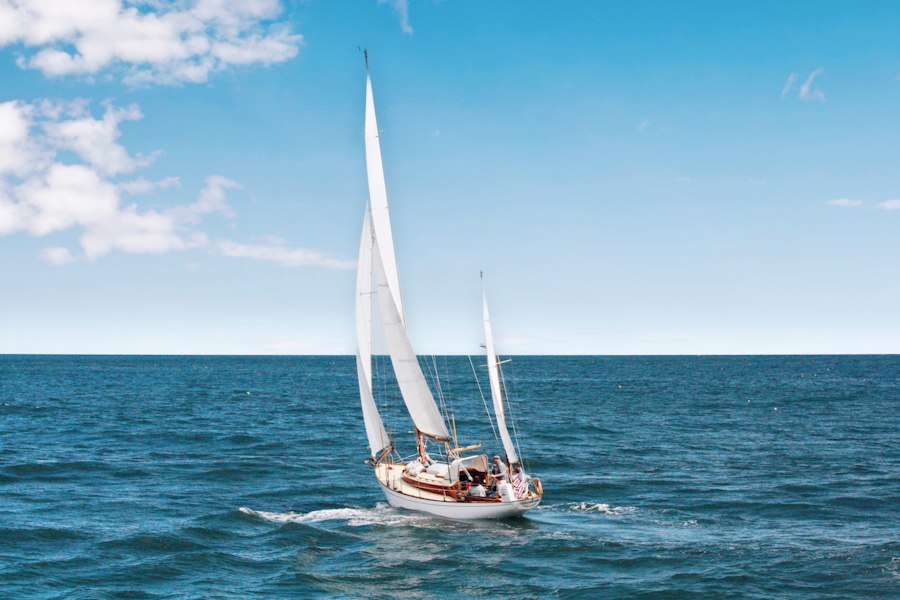
When guests step aboard a superyacht, they enter a world of effortless perfection. Fresh flowers materialise in every cabin each morning. Meals are executed at Michelin-quality precision on a rolling platform in open water. Every glass is polished, every line is coiled, every surface gleams. What is invisible — by design — is the extraordinary human infrastructure that makes all of this possible: the yacht crew.
A Career Unlike Any Other
Professional yachting is one of the most unusual career paths in the world. It attracts a diverse international community — former chefs, ex-military officers, marine engineers, hospitality graduates, and professional athletes who have discovered that life on the water suits them far more than life ashore. The hierarchy is structured and clear: Captain, Chief Officer, Engineer, Chef, Chief Steward, and a rotating cast of deckhands and interior crew whose numbers scale with the vessel's size.
A qualified Captain of a 60-metre superyacht can earn €150,000 to €300,000 per year, tax-advantaged under maritime employment conventions. A skilled Michelin-trained chef commands comparable premiums. Even entry-level deck crew on charter yachts typically earn more than their land-based hospitality peers, with the added benefit of accommodation, meals, and the opportunity to see some of the world's most spectacular destinations.
The Invisible Sacrifices
The glamour has a cost that no yacht brochure advertises. Crew contracts typically run five to seven months without a return home. Relationships ashore are strained or severed. Holidays coincide with other people's holidays, which for charter crew means the busiest, most demanding periods of the season. Privacy is minimal — quarters are shared, working hours are dictated by owner or charter schedules, and the line between professional and personal space essentially disappears.
The TikTok Effect
A cultural phenomenon has emerged in recent years: yacht crew content creators. Channels run by stewardesses, chefs, and deckhands offering unfiltered glimpses of life below deck have accumulated millions of followers, humanising the industry and simultaneously creating a new pipeline of aspirant crew members who arrive already informed about the realities of the lifestyle. This transparency has been broadly positive for recruitment and has added a compelling storytelling layer to the yacht industry's public image.
The men and women who crew the world's luxury yachts are, in many ways, the soul of the industry. The hardware — the carbon hulls, the marble bathrooms, the fold-out beach clubs — is extraordinary. But it is the people, ultimately, who transform a vessel into an experience that guests remember for a lifetime.
Comments
Post a Comment